
23. April 2026
A Guide to Asbestos Risks for UK Homeowners
Asbestos was once a common material in UK construction due to its durability, fire resistance, and insulating properties. However, it is now widely known to pose serious health risks when disturbed. If your home was built before 2000, it may contain asbestos in various forms. Understanding where asbestos might be found, how to manage it safely, and what to do if it’s disturbed is essential for protecting your health and that of your family.
What Is Asbestos?
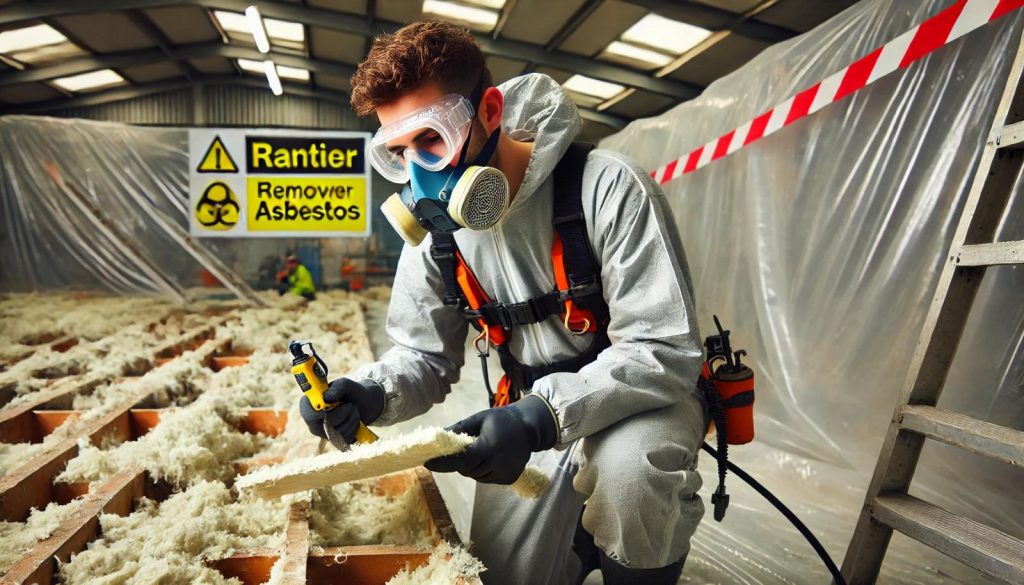
Asbestos refers to a group of naturally occurring minerals made up of microscopic fibres. These fibres are strong, heat-resistant, and insulating, which made asbestos a popular material in construction and manufacturing for much of the 20th century. However, when asbestos-containing materials are damaged or disturbed, they release tiny fibres into the air. Inhalation of these fibres can lead to serious health conditions, including mesothelioma (a type of cancer), lung cancer, and asbestosis (a chronic lung disease).
Why Was Asbestos Used in UK Homes?
Asbestos was widely used in residential construction because of its affordability and versatility. It could be found in everything from roof tiles to insulation and textured wall coatings. Despite growing awareness of its health risks throughout the 20th century, asbestos use wasn’t fully banned in the UK until 1999. This means any home built before that year could still contain asbestos materials.
Where Might Asbestos Be Found in Your Home?
In homes built before 2000, asbestos may be present in several areas, including:
•Textured Coatings (e.g., Artex): Often used on ceilings and walls.
•Roofing Materials: Such as corrugated cement sheets or roof tiles.
•Wall Panels and Insulation Boards: Used for fireproofing or soundproofing.
•Pipe Lagging: Insulation around hot water pipes or boilers.
•Vinyl Floor Tiles: Including the adhesive used to fix them.
•Guttering and Downpipes: Made from asbestos cement.
•Loose-Fill Insulation: Rare but highly hazardous if present.
If these materials are left undisturbed and in good condition, they generally do not pose a risk. However, any damage or disturbance—such as during DIY renovations—can release harmful fibres into the air.
How Can Asbestos Be Disturbed?
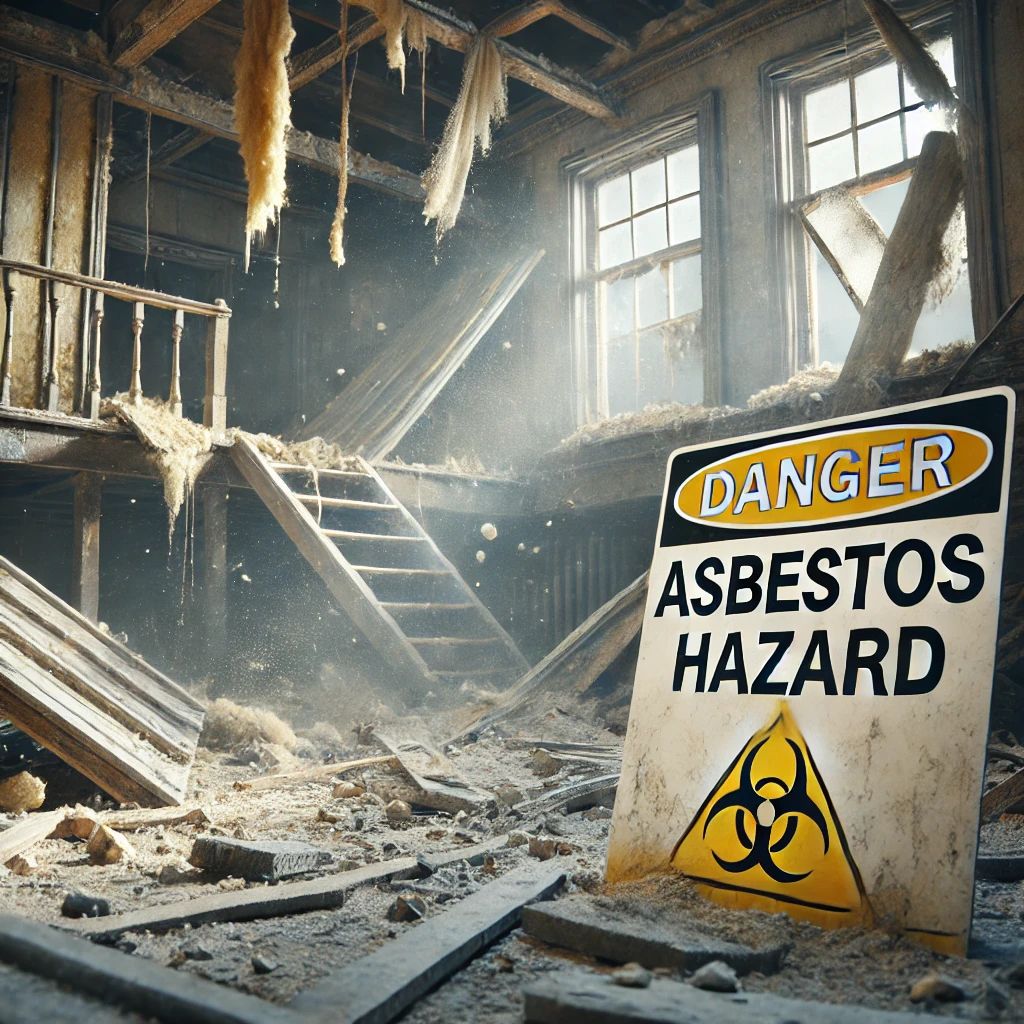
Asbestos-containing materials can be damaged by everyday activities or unexpected events such as:
1.DIY Projects: Drilling, sanding, or cutting into walls or ceilings can release asbestos fibres.
2.Flooding or Storm Damage: Water damage can weaken materials containing asbestos.
3.Fires: High heat can break down asbestos materials, releasing fibres into the air.
4.Structural Damage: Events like subsidence or accidental impacts can disturb asbestos.
If you suspect that an event has damaged asbestos-containing materials in your home, it’s crucial to act quickly to minimise exposure risks.
What Should You Do If You Suspect Asbestos?
If you think your home contains asbestos or you’ve discovered suspicious materials during renovations, follow these steps:
1. Leave It Alone - Do not attempt to touch or disturb the material. As long as it remains intact and undisturbed, it is unlikely to release harmful fibres.
2. Arrange for Testing - Hire a qualified professional to conduct an asbestos survey. They will take samples of the suspected material and have them analysed at a UKAS-accredited laboratory to confirm whether asbestos is present.
3. Manage or Remove - If asbestos is confirmed but remains in good condition, it may be safer to leave it in place under proper management. This could involve sealing (encapsulation) or enclosing the material to prevent damage.
If removal is necessary—for example, if the material is damaged or will be disturbed during renovations—it must be carried out by a licensed asbestos removal company.
The Importance of Professional Asbestos Removal
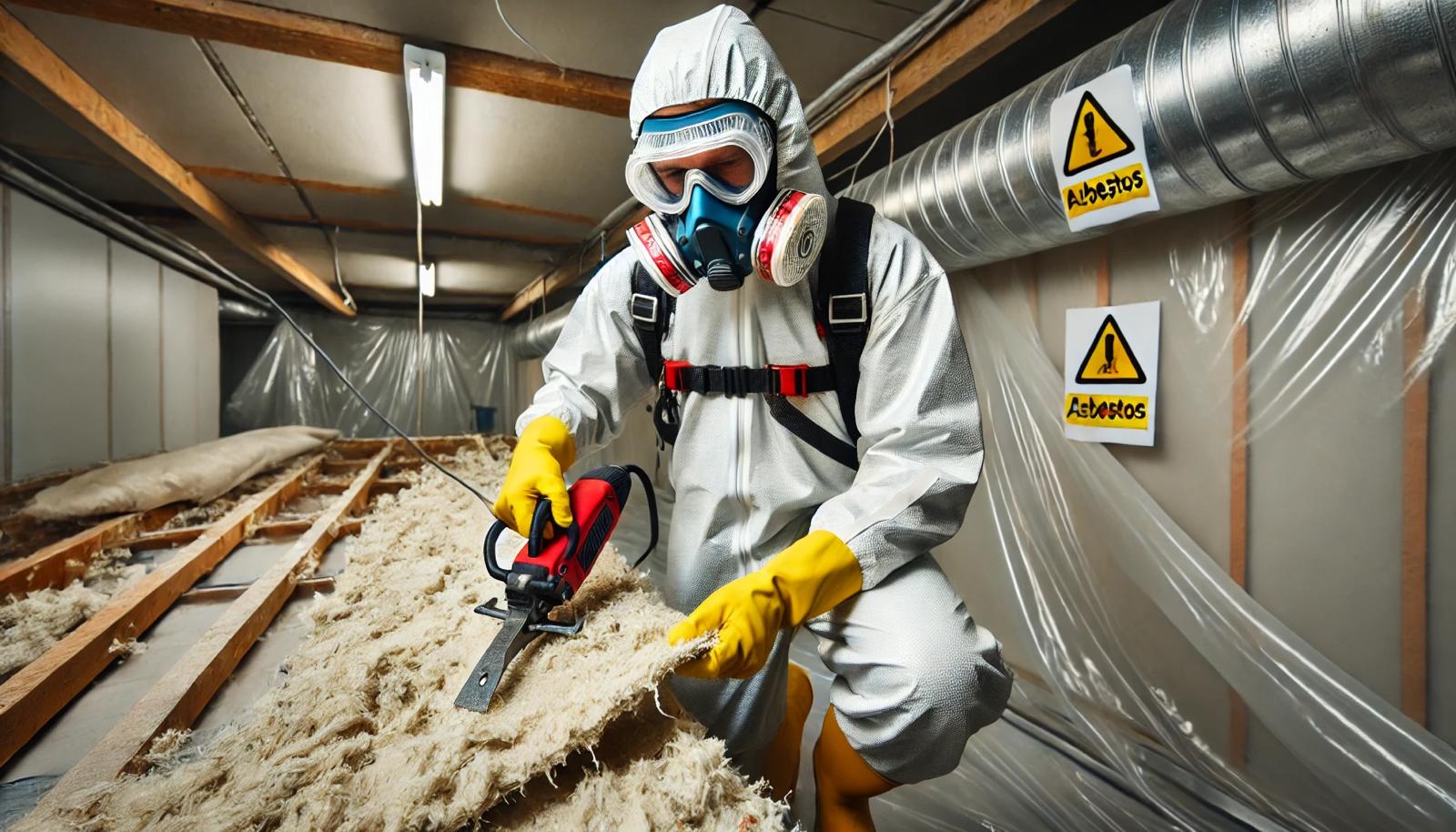
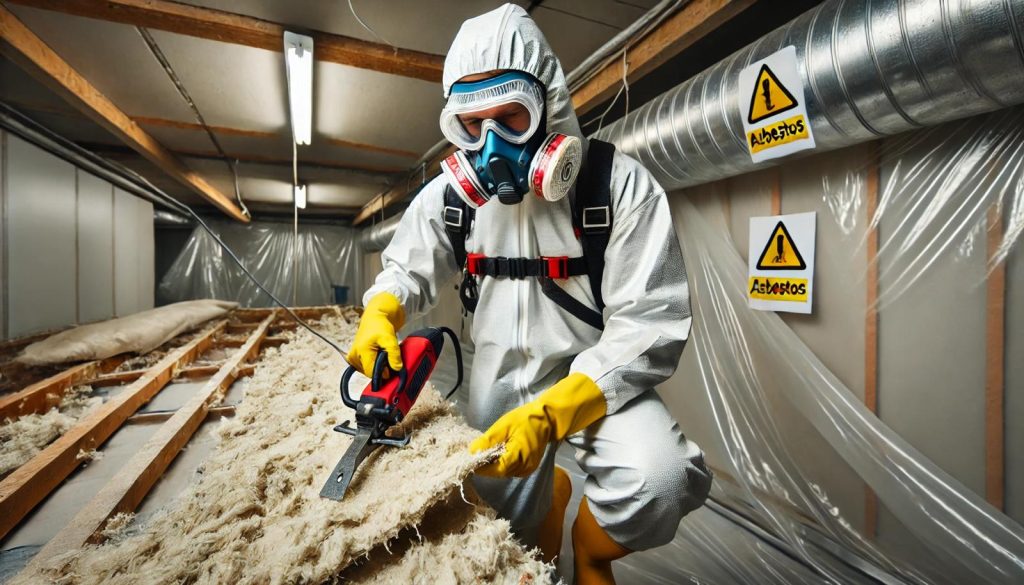
Asbestos removal is a highly specialised process that requires strict safety measures to protect both workers and residents. Licensed professionals will:
• Seal off the work area to contain any fibres.
• Use specialised tools and techniques to safely remove the material.
• Dispose of all waste at licensed facilities according to UK regulations.
• Conduct air monitoring after removal to ensure the area is safe for reoccupation.
Attempting to remove asbestos yourself is extremely dangerous and illegal without proper training and licensing.
Legal Responsibilities for Homeowners
In the UK, homeowners are not legally required to remove asbestos from their property unless it poses a direct risk. However, landlords have a duty under the Control of Asbestos Regulations 2012 to manage any asbestos present in rental properties.
If you’re planning renovations or selling your home, it’s advisable to disclose any known presence of asbestos to contractors or potential buyers.
Protecting Your Health
Exposure to asbestos fibres can lead to severe health conditions that may take decades to develop. To minimise risks:
• Avoid disturbing any materials you suspect contain asbestos.
• Always consult professionals for testing and removal.
• Ensure proper disposal of asbestos waste through licensed facilities.
By taking these precautions, you can safeguard your household from the dangers associated with this hazardous material.
Contact CB Plastering Contractors today to discuss your plastering project and get a personalized quote. Let us help you achieve your dream of a brand new plastered room without breaking a sweat! We cover Alsager and the surrounding areas of Stoke-on-Trent and Cheshire East.
Tel: 01270 291254
www.alsagerplastering.co.uk/contact-us
✉ chris@alsagerplastering.co.uk
Let us help you restore your walls and refresh your home-get in touch today!
Connect With Us
If you found this article helpful and want to support us, you can Buy Me a Coffee here. Every coffee helps us share more tips and advice with homeowners across Alsager and Cheshire East & all over the UK. Thank you for your support!
For more plastering tips, behind-the-scenes videos, and project showcases, check out our YouTube channel: @cbplasteringcontractors.
© 2025. The content on this website is owned by CB Plastering Contractors. Do not copy any content (including images) without our consent.